


The Future of Flexible Workspace: 5 Key Takeaways from GWA 2026
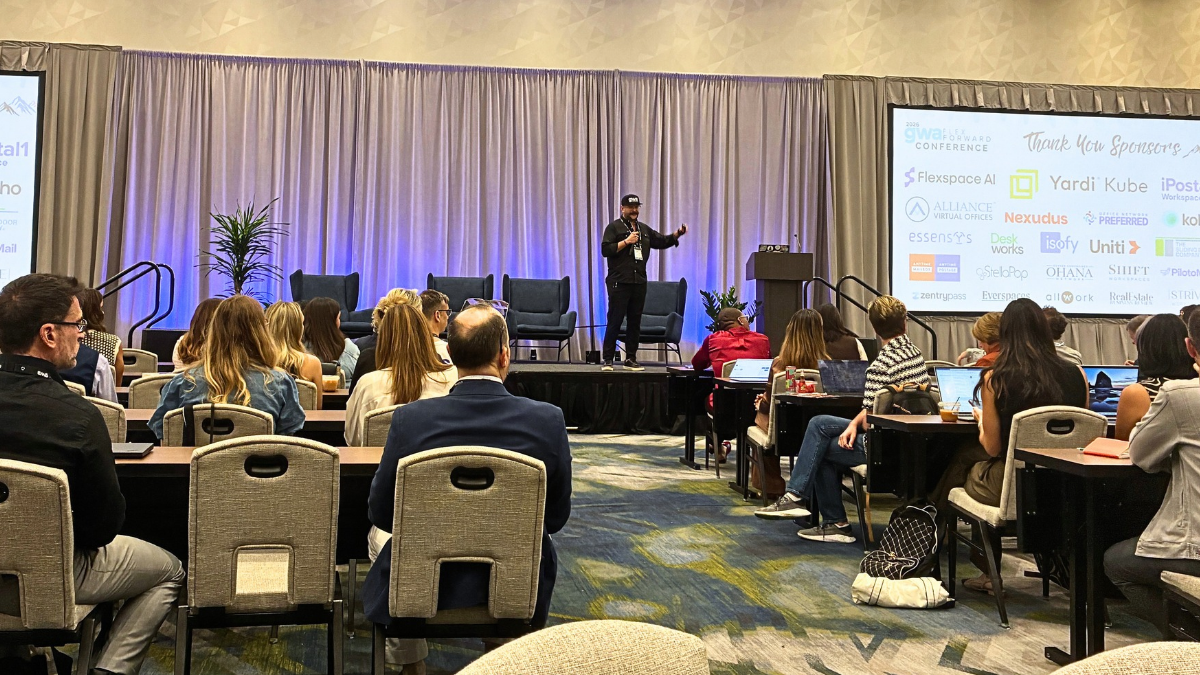
The flexible workspace industry is evolving, and the conversations at GWA 2026 made one thing clear: operators are thinking bigger about growth, technology, and the future of their businesses.
This September, the Workspace Geek team attended the Global Workspace Association (GWA) Conference in Denver, Colorado, connecting with industry leaders, workspace operators, and technology partners to discuss what’s next for flexible workspace.
From the growing role of artificial intelligence to new opportunities for independent operators, the conference highlighted an industry entering a new phase of growth.
Here are five key takeaways from GWA 2026 and what they mean for the future of flexible workspace management.
1. Flexible Workspace Is Growing, and Smaller Operators Have Big Opportunities
One of the most encouraging themes from GWA 2026 was the continued growth of the flexible workspace industry.
While large coworking brands often dominate the conversation, smaller and mid-sized operators are becoming an increasingly important part of the market.
For operators managing one location or preparing to expand into multiple spaces, this growth presents exciting opportunities. But it also introduces new operational challenges.
Managing one coworking space is very different from managing three or four. As businesses expand, operators must coordinate more members, bookings, billing processes, and day-to-day responsibilities.
The systems that worked for a single location may not be enough to support continued growth.
The takeaway: Growth shouldn’t mean adding unnecessary complexity. Operators need flexible workspace management software that can support their businesses today while making it easier to scale tomorrow.
2. AI Is Changing Workspace Management, but Practicality Matters
Artificial intelligence was one of the biggest topics of conversation at GWA 2026.
But the discussion wasn’t simply about introducing more AI-powered features. It was about how technology can solve real operational problems.
For flexible workspace operators, the most valuable applications of AI and automation are often the simplest:
- Reducing repetitive administrative tasks
- Making business information easier to access
- Improving follow-up with prospective customers
- Helping teams make more informed decisions
- Giving staff more time to focus on members
Another important theme was the value of centralized data.
When information is spread across disconnected platforms, even simple tasks can become unnecessarily complicated. Bringing essential business information together creates opportunities for better reporting, more efficient workflows, and smarter automation.
The takeaway: Technology should make running a flexible workspace easier, not more complicated. The best innovations are those that solve everyday problems and give operators meaningful time back.
3. The Human Experience Still Sets Flexible Workspace Apart
Despite all the excitement around AI, one message remained consistent throughout the conference: the human experience is still at the heart of flexible workspace.
Coworking spaces offer more than desks, meeting rooms, and private offices. They create environments where people connect, collaborate, and build relationships.
That sense of community is something technology should support, not replace.
For operators, the challenge is finding the right balance between automation and personal service.
When technology handles repetitive tasks like bookings, billing, and routine administrative work, teams have more opportunities to focus on what makes their workspace special.
That could mean welcoming a prospective member, helping an existing customer, or creating a more engaging community experience.
The takeaway: Automation and hospitality aren’t competing priorities. When implemented thoughtfully, technology can help operators deliver a more personal, attentive experience.
4. Flexible Workspace Revenue Opportunities Are Expanding
Another major theme at GWA 2026 was the growing opportunity to generate revenue beyond traditional coworking memberships.
Operators are increasingly exploring ways to make better use of their available space, services, and resources.
This could include:
- Offering meeting rooms and private offices for online booking
- Providing flexible workspace options for occasional users
- Expanding access to additional services and amenities
- Creating new revenue opportunities from underutilized space
As revenue models become more diverse, the technology supporting them becomes increasingly important.
Operators need efficient ways to manage different booking types, customer needs, payments, and availability without creating more administrative work.
For example, making it easier for prospective customers to browse available spaces and book online can help reduce the back-and-forth that often slows down the sales process.
The takeaway: Revenue growth isn’t always about adding more locations. Sometimes, it’s about making existing spaces easier to discover, book, and manage.
5. The Right Technology Partner Matters More Than Ever
As flexible workspace continues to evolve, operators are taking a closer look at the technology they rely on to run their businesses.
One recurring theme from conversations at GWA was that operators want more from their management systems.
It’s no longer enough for software to simply offer a long list of features. Operators want solutions that work reliably, integrate with their existing processes, and make everyday operations more manageable.
For growing workspace businesses, that means asking important questions:
- Can our current software support additional locations?
- Are we spending too much time switching between different tools?
- Can customers easily book available spaces online?
- Does our team have access to the information it needs?
- Is our technology helping us grow, or creating more work?
The answers can make a significant difference in how efficiently a workspace operates.
The takeaway: Choosing workspace management software isn’t just a technology decision. It’s an operational decision that can influence customer experience, team productivity, and long-term growth.
Looking Ahead: Making Flexible Workspace Easier to Manage
If there was one overarching message from GWA 2026, it was that the future of flexible workspace is about finding smarter ways to grow.
Operators are exploring new revenue streams, adopting more sophisticated technology, and expanding into new markets. But the fundamentals of running a successful workspace haven’t changed.
Businesses still need dependable systems, efficient processes, and great customer experiences.
At Workspace Geek, we believe technology should simplify the operational side of flexible workspace management so operators can spend less time managing processes and more time growing their businesses.
Whether you’re managing your first coworking space or expanding into multiple locations, having the right tools in place can make all the difference.
Ready to make managing your flexible workspace easier?
Discover how Workspace Geek can help streamline your day-to-day operations, simplify bookings, and support your business as it grows.